范曾《钟馗神威图》红衣白马,翰墨凝正气 在中国传统人物绘画谱系之中,钟馗题材千百年来经久不衰,早已超越单纯美术形象,演化为根植国人心中驱邪扶正、安宅纳祥的文化符号。古往今来,吴道子、李公麟、任伯年诸多丹青大家皆落笔绘钟馗,而当代书画巨匠范曾笔下的钟馗,独树一帜,兼具文人笔墨风骨与民俗吉祥意蕴。这幅《钟馗神威图》,便是范曾钟馗题材经典范式的绝佳呈现。 画卷立轴构图,留白空灵,承袭中国水墨画 “计白当黑” 至高美学。画面主体红衣钟馗乘白骏马驰骋向前,构图张力十足,一眼便可感受到扑面而来的凛然神威。钟馗头戴黑色儒巾,面容方正,剑眉斜挑,目光锐利沉稳,长髯垂胸,神情不怒自威。范曾以极具辨识度的铁线勾勒人物轮廓,线条劲挺流畅,顿挫转折分明,是独属于 “范家样” 的笔墨语言。大红长袍肆意铺展,墨线勾出衣褶起伏,浓淡变化简练概括,艳丽红色与素白纸面形成强烈视觉反差,红主阳刚正气,寓意扫除阴晦、镇守家宅。 身下白马体态矫健,昂首迈步,鬃尾以写意淡墨挥扫,寥寥数笔勾勒骏马奔腾之势。马首配饰铃铛、绿宝衔镳,细节精巧却不繁冗。白马自古象征纯净祥瑞,红衣钟馗配素白良驹,一红一白,阴阳相济,暗含 “驱尽邪祟,迎纳吉福” 的美好寓意。骏马向前奔走,寓意一往无前,破除困顿,守护阖家平安。 画面右上题字:钟馗神威,岁癸未,抱冲斋十翼范曾。笔墨潇洒飘逸,诗书书画印融为一体,完美践行范曾所倡导的诗书画三绝艺术理念。印章错落排布,与画面人物遥相呼应,诗、书、画、印四艺合一,是典型新文人画格局。左下角闲章点缀,平衡整幅画面重心,可见画家布局深思熟虑,虚实相生,气韵贯通。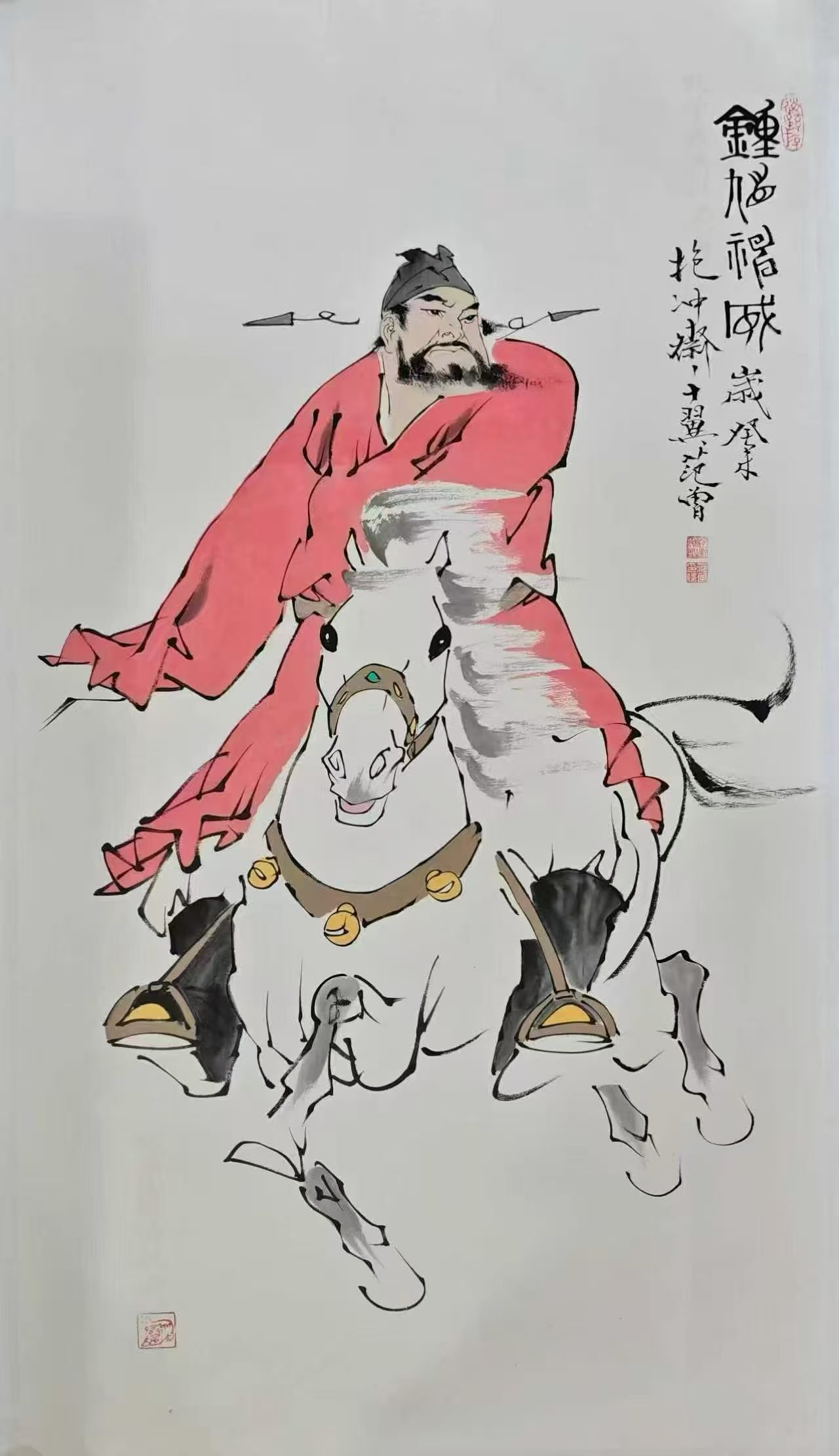 谈及钟馗文化溯源,相传钟馗本为终南进士,性情刚直,嫉恶如仇。民间奉钟馗为驱邪圣君,能够镇宅挡煞、驱除魑魅魍魉,护佑家人安康。民间素有悬挂钟馗画像的习俗,祈愿家宅安宁、诸事顺遂。多数传统钟馗画作多持利剑、面目狞厉,偏重威慑之感。范曾却跳出传统定式,塑造出一位儒雅不失威严的文士钟馗。他笔下的钟馗,除却杀伐正气,更蕴藏文人风骨,刚正不阿、心怀坦荡,不止是驱鬼之神,更是人间正气的化身。 范曾作为当代标志性国画大家,深耕人物画数十载,博采古今绘画精华。上溯顾恺之、吴道子白描传统,近取任伯年写意精神,融汇自身学识修养,创造辨识度极高的人物绘画风格,业内称之为 “范家样”。他塑造的古代先贤、圣贤神佛系列人物,造型简约传神,线条骨力充盈,笔墨写意抒情,同时饱含深厚文史底蕴。 范曾笔下钟馗系列之所以广受藏家喜爱,自有多重缘由。其一,笔墨价值极高。线条是范曾绘画灵魂,此幅《钟馗神威图》,人物勾线稳健灵动,收放自如,兼具力量与韵律,设色清雅克制,重色不艳俗,水墨层次丰富,尽显纯熟精湛的绘画功力。其二,题材兼具文化价值与民俗吉祥内涵。不同于山水花鸟,钟馗人物画承载大众长久以来的祈福诉求,镇宅辟邪、扶正安福,无论是厅堂悬挂,还是藏品典藏,都具备极高适配性。其三,艺术形象创新。区别于历代画家,范曾将文人审美注入民俗神像,褪去狰狞戾气,赋予钟馗儒雅气度,雅俗共赏,既能满足文人藏家审美追求,又契合普通大众对吉祥画作的期许。 从家居陈设角度而言,此幅《钟馗神威图》十分适合悬挂于客厅、茶室、办公室。红衣钟馗踏白马,正气充盈空间,寓意驱散周遭浊气,挡是非、避小人,守护居所祥和。经商之人悬挂,祈愿正道行事,远离奸佞;居家陈设,祈求阖家平安,灾祸不侵。作为书画藏品,范曾人物精品长期受到艺术市场持续关注,钟馗题材又是其热门创作主题,兼具观赏价值、文化价值与收藏潜力。 细细品读这幅作品,我们不止看见一位威风凛凛的神明,更能读懂画家想要传递的精神内核:世间邪祟并不可怕,心中长存浩然正气,便是最好的护身符。笔墨之间,红色衣袍是一腔热忱,骏马驰骋是奔赴光明,凛然面容是坚守本心。在浮躁喧嚣的当下,这样一幅《钟馗神威图》,不止是装饰空间的国画,更是时刻警醒观者坚守正道、心怀坦荡的精神图腾。 国画艺术从来不止视觉美感,更是文化精神的载体。范曾以一支柔毫,融千年钟馗传说与当代文人思想,让古老题材焕发全新生命力。这幅《钟馗神威图》,笔墨精湛,构图精妙,寓意深远,是范曾人物画不可多得的佳作。无论是收藏传世、厅堂陈设,或是作为珍贵文化礼品馈赠挚友,皆是上乘之选。一纸丹青,承载千年民俗文脉;红衣白马,永存浩然天地正气。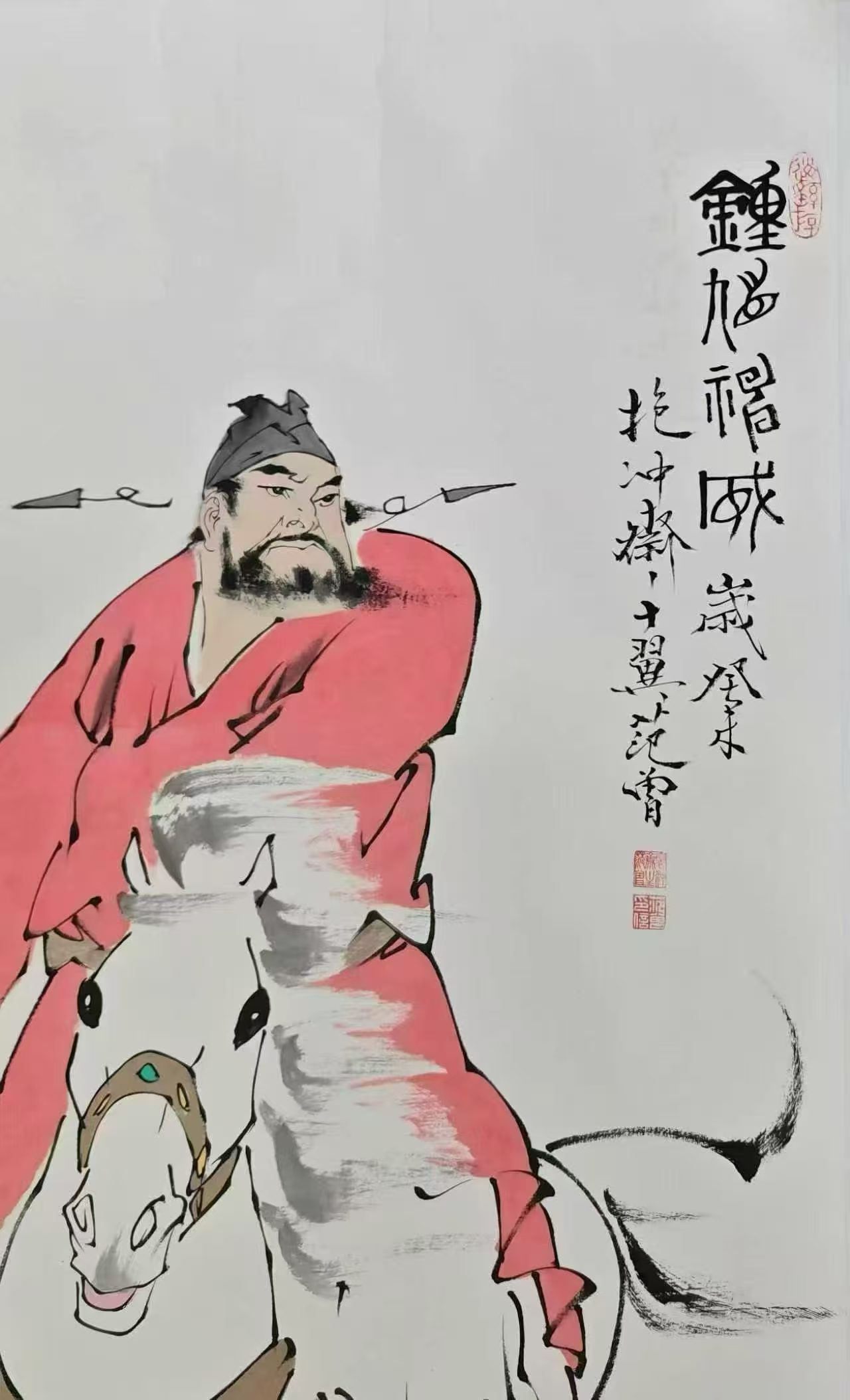 English Translation Fan Zeng’s Zhong Kui’s Divine Prestige Red Robe and White Steed, Righteousness Condensed in InkWithin the lineage of traditional Chinese figure painting, the theme of Zhong Kui has endured for thousands of years. It has transcended a mere artistic image and evolved into a cultural symbol deeply rooted in Chinese people’s hearts, representing the elimination of evil, upholding justice, securing households and welcoming blessings. Through the ages, numerous master painters including Wu Daozi and Ren Bonian painted Zhong Kui. Fan Zeng, a great contemporary painter, created a distinctive portrayal of Zhong Kui, integrating the spirit of literati brushwork and the auspicious implications of folk culture. Zhong Kui’s Divine Prestige is an outstanding representative of Fan Zeng’s classic works themed on Zhong Kui. The vertical scroll adopts a composition with ample blank space, embodying the supreme aesthetic principle of Chinese ink painting: treating blankness as substantial imagery. In the center of the painting, Zhong Kui in crimson robes rides a galloping white steed. The composition is powerful, instantly conveying awe-inspiring dignity. Zhong Kui wears a black scholar’s headscarf, with a square face, slanted sharp eyebrows, piercing calm eyes and a long beard. Fan Zeng outlines the figure with recognizable iron lines—forceful, smooth, with distinct rhythmic twists and turns, forming the unique painting language known as “Fan’s Style”. The bright red robe unfolds freely, ink lines depicting folds succinctly. The striking red contrasts sharply with the plain white paper. Red symbolizes masculine righteousness, capable of dispelling gloom and guarding homes. The white steed beneath him looks vigorous, striding forward. Light freehand ink renders its mane and tail; only a few strokes shape the momentum of galloping. The horse’s bridle is decorated with bells and emerald ornaments, delicate yet not cumbersome. Since ancient times, white horses stand for purity and good fortune. The combination of crimson-robed Zhong Kui and the pure white steed balances yin and yang, implying the elimination of all evil spirits and arrival of blessings. The galloping steed symbolizes forging ahead fearlessly, breaking hardships and safeguarding family peace. On the upper right of the painting lies the inscription: Zhong Kui’s Divine Prestige, Year Guiwei, Painted by Shi Yi (Fan Zeng) at Baochong Studio. The calligraphy is elegant and unrestrained. Poetry, calligraphy, painting and seals are integrated perfectly, practicing Fan Zeng’s artistic ideal of excelling in poetry, calligraphy and painting. Seals are arranged ingeniously, echoing the figure. The auxiliary seal in the lower left balances the whole layout, reflecting the painter’s careful design with virtual and real elements interpenetrating to form consistent artistic vitality.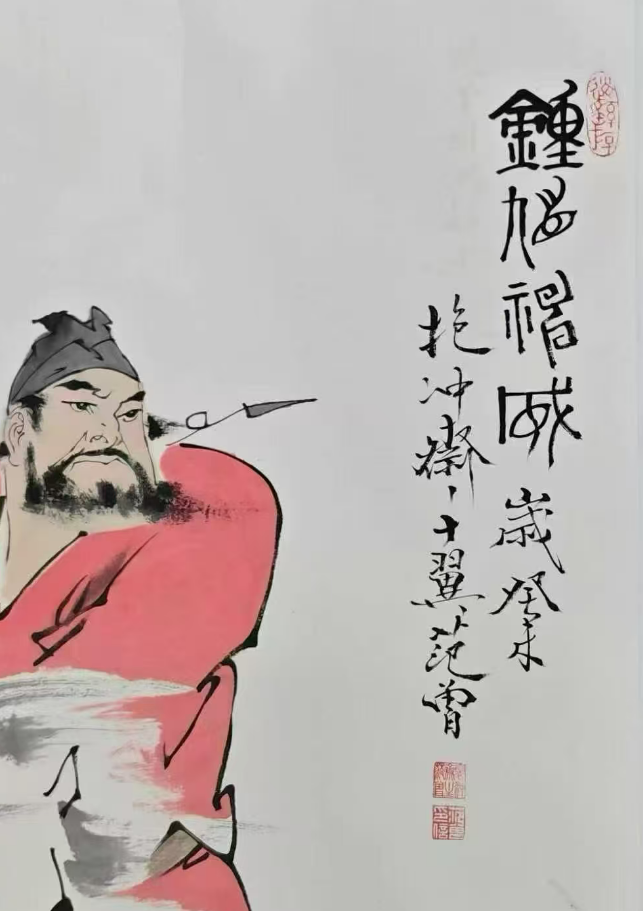 Tracing the cultural origin of Zhong Kui: legend records Zhong Kui was a scholar from Zhongnan Mountain, upright by nature and abhorring evil. Folk people worship him as the sacred deity eliminating demons, capable of guarding houses and expelling ghosts to protect family safety. There has long been a custom of hanging portraits of Zhong Kui, praying for peace. Most traditional paintings portray Zhong Kui holding a sword with ferocious looks to highlight deterrence. Fan Zeng breaks this convention and shapes a scholarly Zhong Kui with elegance and authority. Beyond power to subdue ghosts, his Zhong Kui embodies literati integrity, representing uprightness in the mortal world. As an iconic contemporary Chinese painter, Fan Zeng has devoted decades to figure painting. He absorbs essence from ancient masters including Gu Kaizhi and Wu Daozi, learns freehand spirit from Ren Bonian, and combines profound knowledge to form the highly recognizable “Fan’s Style”. His portraits of ancient sages and deities feature concise, vivid modeling, powerful lines and lyrical ink, rich with historical and cultural heritage. Fan Zeng’s Zhong Kui works are widely cherished by collectors for multiple reasons. First of all, they boast remarkable brushwork value. Lines are the soul of Fan Zeng’s art. In Zhong Kui’s Divine Prestige, strokes outlining the figure are steady, flexible and rhythmic. Colors are elegant without gaudiness, with rich ink layers, showing consummate painting skills. Secondly, the theme carries cultural value and folk auspicious meanings. Unlike landscape and flower-and-bird paintings, figure paintings of Zhong Kui carry people’s long-standing wishes for blessings, warding off evil and stabilizing fortune. They are suitable for home display and collection alike. Thirdly, the artistic image is innovative. Different from painters of previous dynasties, Fan Zeng infuses literati aesthetics into folk deity paintings, removing ferocious fierceness and endowing Zhong Kui with scholarly grace. His works appeal to refined literati collectors and ordinary audiences who yearn for auspicious art. For interior decoration, Zhong Kui’s Divine Prestige is ideal for living rooms, tea rooms and offices. Zhong Kui riding a white steed fills the space with upright energy, symbolizing dispelling negative energy, avoiding villains and safeguarding harmony. Business owners hang it to pray for integrity and stay away from treacherous people; families display it to wish all members safe and sound. As collectible artworks, Fan Zeng’s fine figure paintings consistently attract attention in the art market. Zhong Kui is one of his most popular themes, possessing ornamental, cultural and collection value. When appreciating this work, viewers see not only a dignified deity, but also the spiritual core conveyed by the painter: evil can be defeated as long as people uphold noble righteousness in their hearts. Within the brushstrokes, the red robe represents sincere integrity, the galloping steed symbolizes marching toward brightness, and the solemn face stands for adherence to conscience. Amid the noisy, impetuous modern world, this painting is far more than wall decoration. It serves as a spiritual totem reminding viewers to stick to justice and maintain open hearts. Chinese painting is valued not merely for visual beauty, but as a carrier of cultural spirit. With a brush, Fan Zeng combines the thousand-year legend of Zhong Kui with contemporary literati thoughts, breathing new vitality into this ancient theme. Exquisite brushwork, thoughtful composition and profound meanings make Zhong Kui’s Divine Prestige a masterpiece of Fan Zeng’s figure painting. It is an outstanding choice for collection, interior display, or as a precious cultural gift for friends. On this sheet of painting lies thousands of years of folk cultural heritage; the red robe and white steed perpetuate noble righteousness between heaven and earth. |
来自:
互联网

文中内容和观点 : 不代表本网站立场 ; 合作及投稿请联系 : ceoim@vip.qq.com


